Blogs
What's New Trending

The idea of luck in casino games has elicited many misconceptions, leading many players to believe that success is solely reliant on serendipity. Luck is often portrayed as a mystical force that, when on your side, grants you victories and wealth. However, in the world of gambling, luck is a complex interplay of chance and skill, especially in games that require a strategic approach like poker or blackjack. To better understand the dynamics of these games, players should monitor their strategies and outcomes consistently, which can help them make informed decisions rather than relying on sheer luck.
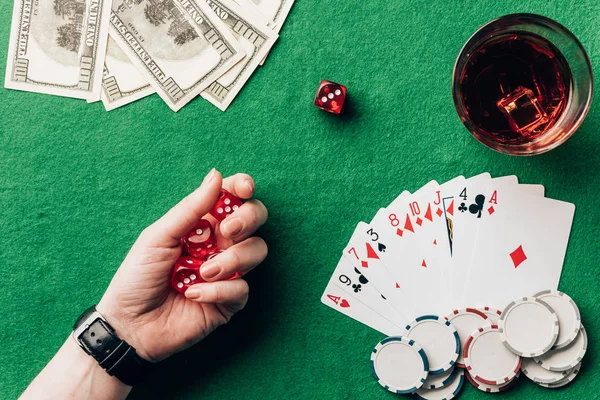
Many players often enter gambling establishments with the belief that they can manipulate luck through rituals or specific actions. Some may wear lucky clothing, carry talismans, or even avoid certain tables at a casino, believing that these superstitions can influence their odds. While these practices contribute to the mystique of gambling, they have no impact on the mathematical probabilities that dictate game outcomes. In reality, each spin of a slot machine or hand of cards operates independently of previous outcomes, governed by random number generators and statistical probabilities.
Moreover, the illusion of luck can be perpetuated by stories of dramatic wins and losses shared by players. These narratives often overshadow the countless times individuals walk away empty-handed. The focus on luck tends to minimize the importance of understanding the rules, strategies, and house edge associated with games. Therefore, while luck does play a role, it’s essential to approach casino games with a strategy that prioritizes skill and informed choices over unfounded beliefs in fortune.
One prevalent myth is that certain games at casinos are more suited for luck-based strategies than others. For instance, many people believe that games like slots are purely about luck, while table games such as blackjack or roulette require more skill and strategic thinking. In truth, every casino game is predicated on math and probabilities, meaning that while the player can exert some influence in strategy-based games, luck always remains a fundamental component. By recognizing the balance between skill and chance, players can develop more effective approaches to their gameplay.
Another common misconception is the idea of “hot” or “cold” machines or tables. Players often believe that they can identify which slot machines are due for a payout based on previous activity. This belief can lead to chasing losses or consistently betting on certain machines perceived to be more favorable. However, it is crucial to understand that machines operate under strict regulatory standards that ensure independence and randomness, meaning past performance has no bearing on future results. This myth can lead players to make poor decisions based on flawed logic, emphasizing the importance of educating oneself about how games truly function.
This constant interplay of myths and reality extends to betting strategies as well. Many players implement systems like the Martingale strategy, thinking they can recover losses by progressively increasing their bets. While such strategies might provide a temporary sense of control, they can quickly lead to significant financial loss due to the house edge. A sound understanding of the inherent risks and probabilities associated with each game is essential for anyone looking to engage in casino play, and it often supersedes reliance on superstitions or betting strategies anchored in myth.
The psychology of gambling plays a significant role in shaping beliefs about luck and outcomes. Cognitive biases, such as the gambler’s fallacy, impact how players perceive their chances of winning. This fallacy refers to the mistaken belief that past events can influence future outcomes in a game of chance. For example, if a roulette wheel has landed on red several times in a row, a player might assume that black is now ‘due,’ leading them to make bets based on flawed reasoning. Recognizing these psychological traps is crucial for making informed decisions and maintaining a healthier gambling mindset.
Mental states significantly affect how players engage with games, often leading to overconfidence or despair. Players who experience a winning streak may develop an exaggerated sense of control over their luck, leading to riskier bets. Conversely, those on a losing streak might chase their losses in a desperate attempt to turn their fortunes around. A balanced psychological approach is key to enjoying casino games while minimizing the detrimental consequences associated with gambling addiction or poor decision-making.
Understanding the emotional dynamics at play can also enhance the overall gambling experience. When players acknowledge the role of luck and skill, they can approach gaming as a form of entertainment rather than a means to an end. This perspective allows for a more relaxed gaming experience, where the pressure to win doesn’t overshadow the enjoyment of the game. Therefore, fostering a healthy gambling mindset that emphasizes a balanced perspective on luck can lead to a more rewarding casino experience.
One of the most critical factors in understanding gambling outcomes is the concept of the house edge, which refers to the mathematical advantage that the casino holds over players. This edge ensures that over time, casinos will make a profit, regardless of individual players’ luck. Many players are not aware of the house edge and how it varies between games, leading to unrealistic expectations about winning. Understanding this edge is vital for responsible gambling and for setting realistic goals during gameplay.
Different games come with varying house edges; for example, blackjack typically offers a lower house edge than slots. This means that while all games involve luck, players can reduce their risk of loss through informed choices. By selecting games with a lower house edge and implementing basic strategies, players can improve their chances of winning over the long term. This knowledge empowers players to make data-driven decisions rather than relying on myths about luck.
Moreover, the house edge highlights the importance of bankroll management and setting concrete limits. Players who understand that the casino has a built-in advantage are more likely to approach gambling with a level head, focusing on playing for enjoyment rather than solely for profit. This understanding can lead to a more sustainable approach to casino gaming, where players can appreciate the experience rather than obsess over outcomes controlled by chance and probability.
For individuals interested in gambling, it’s crucial to explore resources that promote responsible gaming practices. Many casinos and gaming organizations emphasize the importance of education regarding the myths surrounding luck and strategies for maintaining a balanced approach to gambling. Understanding the nature of luck, the role of skill, and the impact of the house edge can significantly enhance one’s gaming experience while promoting responsible behavior.
Websites dedicated to gambling education provide a wealth of information, including insights on game mechanics, strategies, and links to support networks for individuals struggling with gambling issues. These resources can empower players to make informed decisions and develop a healthier relationship with gaming. Furthermore, fostering awareness about responsible gambling helps mitigate the risks of gambling addiction, ensuring that players engage in gaming for the right reasons.
As the conversation surrounding luck and gambling continues to evolve, it remains vital for players to seek out accurate information. By understanding the myths and realities of luck in casino games, individuals can engage in gambling as a form of entertainment and risk management. Ultimately, an informed approach can lead to a more enjoyable and responsible gaming experience, enhancing the overall understanding of casino games while diminishing the allure of misconceptions surrounding luck.